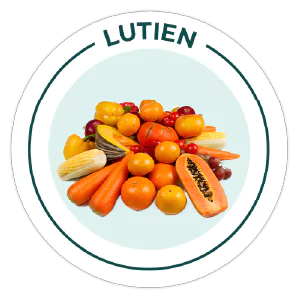
Lutein for Eye Health and Vision Support

Lutein

Lutein is a carotenoid that gathers in the macula of the eye, where it filters blue light. It is traditionally used to support vision and skin. Lutein is in OxiShield.

Purezen Product With Lutein for Eye Health and Vision Support

The Ultimate Guide to Using It Right

Why is this Perfect for You

Uses and Benefits

Lutein is known for its protective effects on the eyes, particularly the retina. It helps filter harmful blue light, reduces the risk of age-related macular degeneration, and supports overall vision health.

Lutein acts as an antioxidant for the skin, helping protect against UV-induced damage and reducing signs of aging. It supports skin hydration and elasticity, promoting a smooth, healthy complexion.

Lutein is a powerful antioxidant that helps neutralize free radicals, protecting cells from oxidative stress. This supports overall cellular health and may reduce the risk of chronic diseases.

Research suggests Lutein may support brain health by protecting neurons from oxidative damage, potentially enhancing cognitive function and slowing age-related cognitive decline.

Lutein’s antioxidant properties help reduce inflammation in blood vessels, supporting cardiovascular health by improving circulation and reducing the risk of heart disease.

By reducing oxidative stress and inflammation, Lutein indirectly supports immune health, helping the body maintain a strong defense against infections and promoting overall wellness.

Lutein has anti-inflammatory effects, which help reduce inflammation throughout the body, benefiting joints and reducing the risk of inflammatory-related conditions.

References

For Reducing Oxidative Stress and Anti Aging

  1. Plasma Lutein, a Nutritional Biomarker for Development of Advanced Age-Related Macular Degeneration: The Alienor Study
    https://pubmed.ncbi.nlm.nih.gov/34203817/
  2. Lutein Has a Positive Impact on Brain Health in Healthy Older Adults: A Systematic Review of Randomized Controlled Trials and Cohort Studies
    https://pmc.ncbi.nlm.nih.gov/articles/PMC8223987/